
Английский язык 6 класс учебник Афанасьева, Михеева, Баранова 1 часть ответы – страница 65
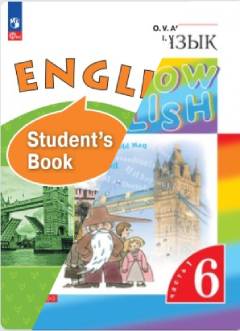
- Тип: ГДЗ, Решебник.
- Авторы: Афанасьева О. В., Михеева И. В., Баранова К. М.
- Учебники: Rainbow + Students Book
- Часть: 1.
- Год: 2021-2023.
- Серия: Школа России.
- Издательство: Просвещение.


Вы уже знаете, что в английском языке имена прилагательные можно образовать при помощи различных суффиксов:
–y: windy, rainy, cloudy, sandy, foggy;
–ful: joyful, wonderful, colorful, beautiful.
Познакомьтесь ещё с одним суффиксом, который тоже участвует в образовании имён прилагательных: –al (30).
music + al = musical (музыкальный);
centre + al = central (центральный);
politics + al = political (политический);
culture + al = cultural (культурный);
profession + al = professional (профессиональный).
(Grammar Reference, p. 146.)
Номер 7.
A. Listen, CD(31), and read the word combinations.
A. Слушайте CD (31) и читайте словосочетания.
1) a musical box, a musical family, a musical film
2) a central square, a central building, a central tower
3) a political centre, a political system, a political party
4) a cultural centre, a cultural capital, a cultural life
5) a professional writer, a professional actor, a professional photographer
Перевод:
1) музыкальная шкатулка, музыкальная семья, музыкальный фильм
2) центральная площадь, центральное здание, центральная башня
3) политический центр, политическая система, политическая партия
4) культурный центр, культурная столица, культурная жизнь
5) профессиональный писатель, профессиональный актёр, профессиональный фотограф
B. What is missing in these words: –y, –ful, –al?
Чего не хватает в этих словах: –y, –ful, –al?
Wind , colour , politic , center , ston , wonder , joy , fogg , culture , music , profession .
Ответ:Windy, colourful, political, central, stony, wonderful, joyful, foggy, cultural, musical, professional.
Перевод:
Ветреный, красочный, политический, центральный, каменистый, замечательный, радостный, туманный, культурный, музыкальный, профессиональный.
Номер 8.
Make up questions and write them down.
Составьте вопросы и запишите их.
1) your / new / friend / is / like / what?
2) what / was / last week / like / the weather?
3) at school / like / your first day / was / what?
4) in this street / what / the houses / are / like?
5) like / this resort / by the sea / what / is?
Перевод:
1) твой / новый / друг / это / как / что?
2) какая / была / на прошлой неделе / понравилась / погода?
3) в школе / вроде / твой первый день / был / чем?
4) на этой улице / что / дома / как / как?
5) нравится / этот курорт / у моря / что / есть?
1) What is your new friend like?
2) What was the weather like last week?
3) What was your first day at school like?
4) What are the houses in the streets like?
5) What is the resort by the sea like?
Перевод:
1) Как выглядит твой новый друг?
2) Какая была погода на прошлой неделе?
3) каким был твой первый день в школе?
4) Какие дома на улицах?
5) Каков курорт у моря?
Номер 9.
Spell these words.
Напиши слова по транскрипции.
[bi:ʧ] [ˈdjʊərɪŋ] [faɪnd] [bæk] [ˈsændi] [rɪˈzɔ:t] [ˈterəbl] [ˈsentr(ə)l]
Ответ:[bi:ʧ] beach — пляж;
[ˈdjʊərɪŋ] during — в течение;
[faɪnd] find — найти;
[bæk] back — назад;
[ˈsændi] sandy — песчаный;
[rɪˈzɔ:t] resort — курорт;
[ˈterəbl] terrible — ужасный;
[ˈsentr(ə)l] central — центральный.
Номер 20.
Listen to the recording, (22), and read the poem, then learn it by heart.
Послушай запись, (22), прочти стихотворение и выучи его наизусть.
I GO FORTH TO MOVE ABOUT THE EARTH
I go forth to move about the Earth.
I go forth as an owl, wise and knowing.
I go forth as the eagle, powerful and bold.
I go forth as the dove, peaceful and gentle.
I go forth to move about the Earth in wisdom, courage, and peace.
Перевод:
В ПУТЬ Я ОТПРАВЛЯЮСЬ, ЧТОБЫ СТРАНСТВОВАТЬ ПО МИРУ
В путь я отправляюсь, чтобы объездить всю Землю.
Я отправляюсь с мудростью и знанием, подобно сове.
Я взмываю в небо, подобно могущественному и бесстрашному орлу.
Я лечу, подобно голубке, в покое и с нежностью.
В путь я отправляюсь, чтобы познать мир, обретя мудрость, силу духа и внутренний покой.
LET US READ
ЧТЕНИЕ
Номер 21.
a) Read this text written by a twelve-year-old girl and say a) what is the main idea of the story; b) why, in your opinion, she wrote such a story.
b) Listen to the marked part of the text and try to read it in the same manner.
а) Прочти этот текст, написанный 12-летней девочкой, и скажи: а) какова главная мысль истории; b) почему, по твоему мнению, она написала такую историю.
b) Прослушай выделенную часть, и прочти текст, как диктор.
“CLEAN UP THE COUNTRYSIDE” SOCIETY
(by Linda Black, age 12)
23. Vicki was coming home from her small country school and it was one of the last days of the term. The sun was in the sky and the birds were singing their beautiful songs.
Vicki loved the countryside. She had lived there all her life. The weather was so nice that Vicki decided to take a longer way home, to the cottage where she lived. On her way she passed through a little grove where she used to play. Vicki was shocked to see that the grove looked terrible: it was piled with rubbish. Vicki ran all the way back home. She had to do something about this mess. Suddenly she had an idea. She would start her own “Clean up the Countryside” Society.
When Vicki got home she phoned four of her school friends — Alice, Rosie, Cathy and Jane. They all agreed to meet her at the grove. The girls set to work filling big black plastic bags with rubbish. It was hard work but soon all the rubbish was cleared away and the grove looked beautiful again.
Продолжение номера 21 на следующей странице
С подпиской рекламы не будет
Подключите премиум подписку со скидкой в 40% за 149 ₽






Напишите свой комментарий.