
Английский язык 6 класс учебник Афанасьева, Михеева, Баранова 2 часть ответы – страница 18
- Тип: ГДЗ, Решебник.
- Авторы: Афанасьева О. В., Михеева И. В., Баранова К. М.
- Учебники: Rainbow + Students Book
- Часть: 2.
- Год: 2021-2023.
- Серия: Школа России.
- Издательство: Просвещение.


hope: to hope for success, to hope for your future, to hope for a better life. Let’s hope for the best.
hunt: to hunt (for) animals, to hunt (for) rabbits. We hunted (for) rabbits in the hills. To hunt for food, to hunt for sport. American Indians hunted for food. Crocodiles are good hunters.
remember: to remember everything, to remember nothing. Do you remember the house where we lived in summer? I can / can’t remember her name at the moment.
still: It is still raining. It is still snowing. Do you still play tennis? We were still cleaning the house when my friends started to arrive.
through: through the country, through the forest, through the window. The railway runs through a tunnel. Mrs Robinson was watching her son through the kitchen window.
the same: to go to the same school, to have the same problem, to speak the same language, to do the same. Shall we meet at the same time on Sunday?
far away: to live far away, to be situated far away from the sea. The Fletchers live far away in the north.
Перевод:
надеяться: надеяться на успех, надеяться на свое будущее, надеяться на лучшую жизнь. Давайте надеяться на лучшее.
охотиться: охотиться (на) животных, охотиться (на) кроликов. Мы охотились на кроликов в горах. Охотиться за едой, охотиться за спортом. Американские индейцы охотились за едой. Крокодилы — хорошие охотники.
помнить: помнить все, ничего не помнить. Вы помните дом, где мы жили летом? Я не могу / не могу вспомнить ее имя в данный момент.
все еще: все еще идет дождь. Это все еще идет снег. Вы все еще играете в теннис? Мы все еще убирали дом, когда начали приходить мои друзья.
через: через страну, через лес, через окно. Железная дорога проходит через туннель. Миссис Робинсон наблюдала за своим сыном через кухонное окно.
такой же: ходить в ту же школу, иметь ту же проблему, говорить на одном языке, делать то же самое. Должны ли мы встретиться в одно и то же время в воскресенье?
далеко: жить далеко, находиться далеко от моря. Флетчеры живут далеко на севере.
Номер 7.
Complete the sentences. Use in or at where necessary.
Закончи предложения. Используй in или at там где нужно.
1) They arrived ... the hotel late at night.
2) Mike will arrive ... New York by plane.
3) I’m not sure when he will arrive ... the meeting.
4) I’m positive that Lily will arrive ... Boston next month.
5) We arrived ... the market in the afternoon.
6) When will you arrive ... home?
7) Let’s meet at the circus. I’ll arrive ... there at six.
8) Columbus sailed to India but he arrived ... Central America.
9) When Columbus arrived ... Spain after his voyage to America, he was famous.
10) When shall we arrive ... the airport?
11) They left England in September and arrived ... Italy in October.
Перевод:
1) Они прибыли ... отель поздно ночью.
2) Майк прилетит ... Нью-Йорк на самолете.
3) Я не уверен, когда он приедет ... встречу.
4) Я уверен, что Лили приедет ... Бостон в следующем месяце.
5) Мы приехали ... рынок во второй половине дня.
6) Когда ты приедешь ... домой?
7) Давайте встретимся в цирке. Я приеду ... туда в шесть.
8) Колумб приплыл в Индию, но прибыл ... Центральная Америка.
9) Когда Колумб приехал ... Испания после своего путешествия в Америку, он был знаменит.
10) Когда мы прибудем ... аэропорт?
11) Они покинули Англию в сентябре и прибыли ... Италию в октябре.
1) They arrived at the hotel late at night.
2) Mike will arrive in New York by plane.
3) I’m not sure when he will arrive at the meeting.
4) I’m positive that Lily will arrive in Boston next month.
5) We arrived at the market in the afternoon.
6) When will you arrive home?
7) Let’s meet at the circus. I’ll arrive there at six.
8) Columbus sailed to India but he arrived in Central America.
9) When Columbus arrived in Spain after his voyage to America, he was famous.
10) When shall we arrive at the airport?
11) They left England in September and arrived in Italy in October.
Перевод:
1) Они прибыли в отель поздно вечером.
2) Майк прилетит в Нью-Йорк на самолете.
3) Я не уверен, когда он прибудет на встречу.
4) Я уверен, что Лили прибудет в Бостон в следующем месяце.
5) Мы прибыли на рынок во второй половине дня.
6) Когда ты приедешь домой?
7) Давайте встретимся в цирке. Я приеду туда в шесть.
8) Колумб поплыл в Индию, но прибыл в Центральную Америку.
9) Когда Колумб приехал в Испанию после своего путешествия в Америку, он был знаменит.
10) Когда мы прибудем в аэропорт?
11) Они покинули Англию в сентябре и прибыли в Италию в октябре.
Глагол to arrive — «прибывать» может употребляться с предлогами in и at. Если речь идёт о континенте, стране, крупном городе, значительной территории, используется предлог in:
to arrive in Europe
to arrive in England
to arrive in New York
to arrive in the Far East
В остальных случаях обычно употребляется предлог at:
to arrive at the airport
to arrive at the hotel
to arrive at the museum
to arrive at the theatre
to arrive at the circus
to arrive at the perfomance.
Но: to arrive home, to arrive here, to arrive there.
1. — We’re going read one of Shakespeare’s plays in school. I think the teacher said “Hamlet” or “Omelette” — I’m not sure. She certainly wants you read Hamlet.
2. Let us visit Stratford on 23 April, that’s the day when Shakespeare was born.
3. — I expect you finish reading Romeo and Juliet by the end of January. — I don’t think I will be able finish the play so early.
4. — Don’t forget visit Anne Hathaway's cottage when you come to Stratford. — I would love, but I’m not sure we'll have time do it.
5. — I can’t read Shakespeare in the original. — Nobody expects you do it. But you should read at least some of his plays in Modern English.
1. — We’re going to read one of Shakespeare’s plays in school. I think the teacher said “Hamlet” or “Omelette” — I’m not sure. She certainly wants you to read Hamlet.
2. Let us visit Stratford on 23 April, that’s the day when Shakespeare was born.
3. — I expect you finish reading Romeo and Juliet by the end of January. — I don’t think I will be able to finish the play so early.
4. — Don’t forget to visit Anne Hathaway's cottage when you come to Stratford. — I would love to, but I’m not sure we'll have time to do it.
5. — I can’t read Shakespeare in the original. — Nobody expects you to do it. But you should read at least some of his plays in Modern English.
Перевод:
1. — Мы собираемся прочитать в школе одну из пьес Шекспира. По-моему, учительница сказала «Гамлет» или «Омлет», я не уверен. — Она определенно хочет, чтобы ты прочитал «Гамлета».
2. Давайте посетим Стратфорд 23 апреля, в этот день родился Шекспир.
3. — Я надеюсь, что ты закончишь читать «Ромео и Джульетту» к концу января. — Не думаю, что смогу закончить пьесу так рано.
4. — Не забудьте посетить коттедж Энн Хэтэуэй, когда приедете в Стратфорд. — Я бы с удовольствием, но не уверена, что у нас будет на это время.
5. — Я могу читать Шекспира в оригинале. — Никто не ожидает, что ты будешь читать Шекспира в оригинале. Но тебе стоит прочитать хотя бы несколько его пьес на современном английском.
Номер 27.
Write the Russian names of Shakespeare’s comedies and tragedies (ex. 23). Use the Internet if necessary.
Напиши русские названия пьес У. Шекспира (упр. 23).
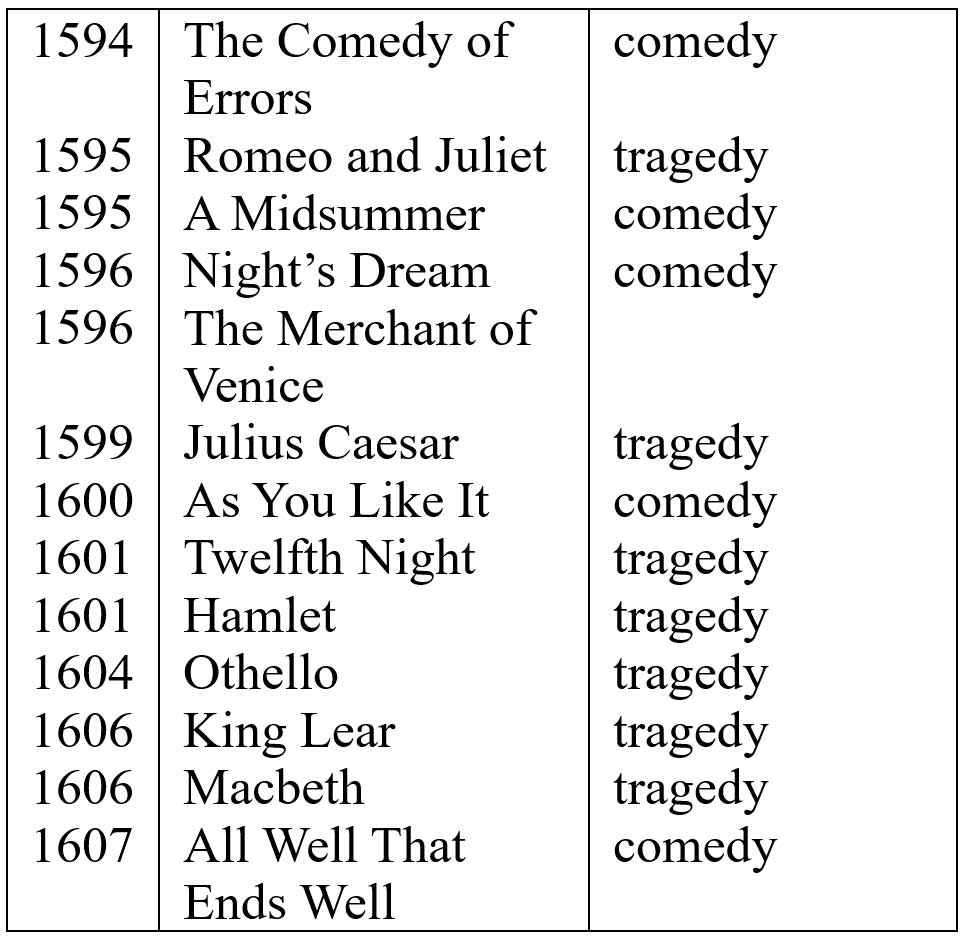
In all his plays there are 5 comedies: The Comedy of Errors”, “A Midsummer Night’s Dream”, “The Merchant of Venice”, “All Well That Ends Well”, “As You Like It”.
«In all his plays there are 7 tragedies: “Romeo and Juliet”, “Julius Caesar”, “Twelfth Night”, “Hamlet”, “Othello”, “King Lear”, “Macbeth”.
Перевод:
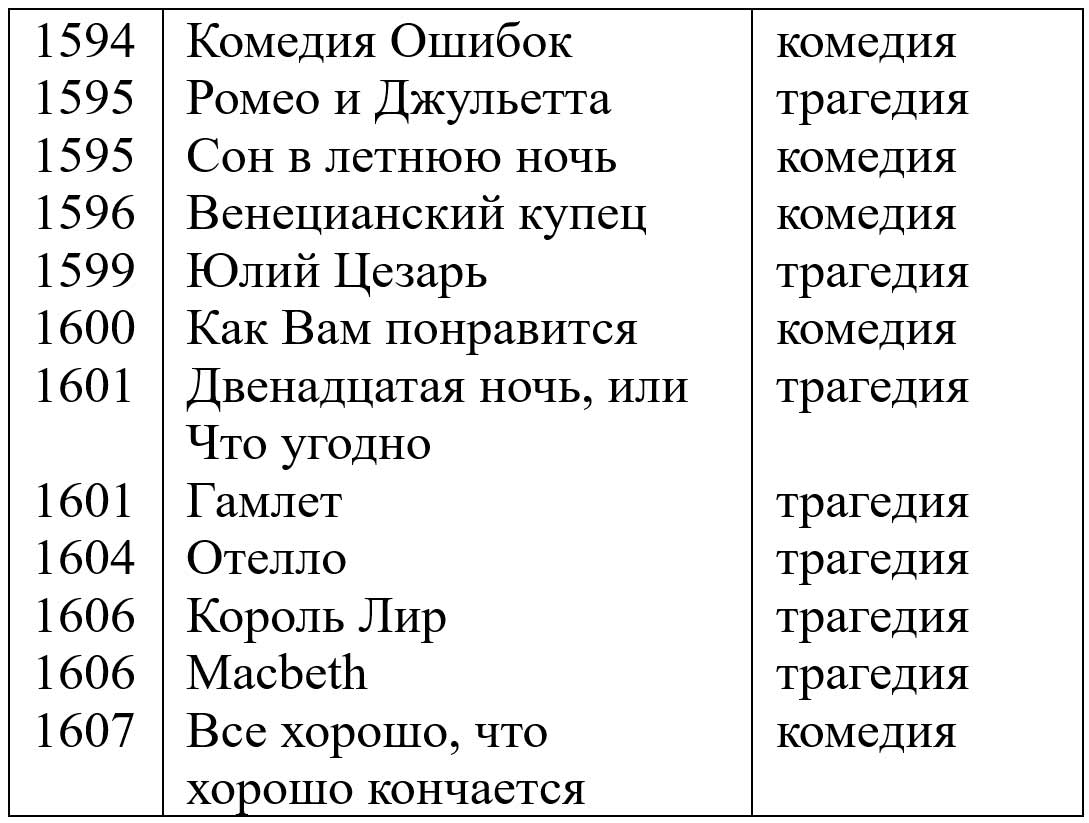
Всего в его репертуаре 5 комедий: «Комедия ошибок», «Сон в летнюю ночь», «Венецианский купец», «Все хорошо, что хорошо кончается», «Как вам понравится».
Всего в его пьесах 7 трагедий: «Ромео и Джульетта», «Юлий Цезарь», «Двенадцатая ночь», «Гамлет», «Отелло», «Король Лир», «Макбет».
Номер 28.
a) Look at the words again and get ready to write a spelling quiz on them. Practise writing them in English.
а) Посмотри на слова еще раз и подготовься к диктанту. Попрактикуйся писать их по-английски.
a glove-maker, a company, a teenager, a criminal, poetry, a twin, a deer, to please, pleased, stupid, a thief / thieves, to scream, wicked, wickedly, exact, exactly, to act, a law, a bank, to earn, a top, for a while
Перевод:
перчаточник, компания, подросток, преступник, поэзия, близнец / двойняшка, олень, нравиться, довольный, глупый, вор / воры, кричать, злой, зло, точный, именно так, действовать, закон, берег, зарабатывать, вершина, на какое-то время
b) Write the quiz. How many words did you write correctly? Are you pleased with your result?
b) Напиши диктант. Сколько слов ты написал правильно? Ты доволен своим результатом?
Ответ зависит от результата написания диктанта
Возможный ответ:
all correct, not all correct.
I’m pleased / I’m not pleased with the result.
Перевод:
Ответ зависит от результата написания диктанта
Возможный ответ:
все правильно, не все правильно
Я доволен результатом / Я не доволен результатом
LET US LISTEN AND DISCUSS — ПОСЛУШАЕМ И ОБСУДИМ
Номер 29.
a) Make sure you know this word:
а) Убедись, что знаешь слово:
to wave — [weiv] — махать
SFA
b) (State Final assessment) Listen to the recording, 41, and say “true”, “false” or “not stated”.
b) (Задание для подготовки к экзамену). Прослушай запись, (41) и скажи: «Правда» (True), «Ложь» (False), «Не сказано».
1. Kevin lived in a small village on the bank of a river.
2. Kevin's uncle lived in the country.
3. Uncle Ronald’s full name was Mr Ronald Smith.
4. Kevin could write beautiful poetry.
5. Uncle Ronald didn’t know anybody in his village.
6. Uncle Ronald was a kind man and loved animals.
7. Uncle Ronald was friendly and waved to everybody they met during their drives.
1. Kevin lived in a small village on the bank of a river. — false.
2. Kevin's uncle lived in the country. — true.
3. Uncle Ronald’s full name was Mr Ronald Smith. — not stated.
4. Kevin could write beautiful poetry. — false.
5. Uncle Ronald didn’t know anybody in his village. — false.
6. Uncle Ronald was a kind man and loved animals. — not stated.
7. Uncle Ronald was friendly and waved to everybody they met during their drives. — true.
Перевод:
1. Кевин жил в маленькой деревушке на берегу реки. — ложь.
2. Дядя Кевина жил за городом. — правда.
3. Полное имя дяди Рональда было мистер Рональд Смит. — не сказано.
4. Кевин мог писать прекрасные стихи. — ложь.
5. Дядя Рональд никого не знал в своей деревне. — ложь.
6. Дядя Рональд был добрым человеком и любил животных. — не указано.
7. Дядя Рональд был дружелюбен и махал рукой всем, кого они встречали во время поездок. — правда.
С подпиской рекламы не будет
Подключите премиум подписку со скидкой в 40% за 149 ₽






Напишите свой комментарий.