
Английский язык 6 класс учебник Афанасьева, Михеева, Баранова 2 часть ответы – страница 109
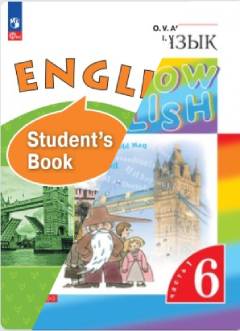
- Тип: ГДЗ, Решебник.
- Авторы: Афанасьева О. В., Михеева И. В., Баранова К. М.
- Учебники: Rainbow + Students Book
- Часть: 2.
- Год: 2021-2023.
- Серия: Школа России.
- Издательство: Просвещение.


Номер 4.
A. Listen, CD (120), and repeat these words.
А. Послушай Аудио (120) и повтори эти слова.
oval ['əʊvəl] овальный
slim [slɪm] стройный
stout [staʊt] полный
curly ['kɜ:li] вьющийся
turned-up [ǀtɜ:nd'ʌp] вздёрнутый
shapely ['ʃeɪpli]красивой формы
good-looking [ǀɡʊd'lʊkɪŋ] миловидный
ugly ['ʌɡli] очень некрасивый
B. Read these sentences with the new words.
B. Прочитай эти предложения с новыми словами.
People’s faces can be round and oval.
People’s bodies can be thin, slim and stout.
People’s hair can be long, short, curly and straight.
People’s noses can be long, short, turned-up and straight.
People’s legs and arms can be shapely.
Some people are beautiful, some are good-looking.
In fairy tales we can read about ugly people and ugly animals.
Перевод:
Лица людей могут быть круглыми и овальными.
Тела людей могут быть худыми, стройными и полными.
Волосы людей могут быть длинными, короткими, вьющимися и прямыми.
Нос у людей может быть длинным, коротким, вздернутым и прямым.
Ноги и руки людей могут быть красивой формы.
Некоторые люди красивые, некоторые приятной наружности.
В сказках мы можем прочитать о безобразных людях и безобразных животных.
Номер 5.
What are their opposites?
Каковы их противоположности?
Example: a round face — an oval face / a narrow face
a stout body — a ... body / a ... body
long hair — ... hair
curly hair — ... hair
dark hair — ... hair / ... hair
a straight nose — a ... nose
a big mouth — a ... mouth / a ... mouth
a beautiful face — an ... face
Перевод:
Пример: круглое лицо — овальное лицо / узкое лицо
крепкое тело — ... тело /... тело
длинные волосы — ... волосы
вьющиеся волосы — ... волосы
темные волосы — ... волосы / ... волосы
прямой нос — ... нос
большой рот — ... рот /... рот
красивое лицо — ... лицо
a stout body — a thin body / a slim body
long hair — short hair
curly hair — straight hair
dark hair — light hair / white hair
a straight nose — a turned-up nose
a big mouth — a small mouth / a shapely mouth
a beautiful face — an ugly face
Перевод:
полное тело — худое тело / стройное тело
длинные волосы — короткие волосы
вьющиеся волосы — прямые волосы
темные волосы — светлые волосы / седые волосы
прямой нос — вздернутый нос
большой рот — маленький рот / красивый рот
красивое лицо — уродливое лицо
Номер 6.
Read the text about William Stanley and say what you can about Anton Popov and Margo Perry.
Прочитай текст об Уильяме Стэнли и расскажи, что можешь об Антоне Попове и Марго Перри.
a) William Stanley is a journalist.
Soon he’ll be 40.
He is tall and big and fairly stout.
His hair is dark and curly. It’s short.
He has a round pleasant face.
His eyes are dark grey.
His mouth is big, his teeth are white and good.
He has a big nose.
Перевод:
а) Уильям Стэнли — журналист.
Скоро ему будет 40.
Он высокий, большой и довольно полный.
Его волосы темные и вьющиеся. Они короткие.
У него круглое приятное лицо.
Его глаза темно-серые.
У него большой рот, у него белые и хорошие зубы.
У него большой нос.

Продолжение номера 6 на следующей странице
7. A faraway [ˈfɑːrəweɪ] place is one that is far from you. If you live in Russia, America is a faraway country.
8. When people learn to ride a horse, they spend much time on horseback ['hɔ:sbæk].
9. Will you have a chance [ʧɑːns] to visit London?
b) Look these words up to make sure you have guessed right.
b) Посмотри значение в словаре и проверь себя.
Перевод:
а) 1. «Добрый вечер, дамы и господа. Я очень рад, что вы все пришли сюда!»
2. Он честный человек. Я восхищаюсь его честностью.
3. В США ополчение — это что-то вроде армии, но его члены не являются профессиональными солдатами.
4. Моя бабушка всегда рассказывает мне истории перед сном. Она хороший рассказчик.
5. Он получил образование в Оксфорде. Он очень образованный человек.
6. Майор — офицер среднего ранга в армии.
7. Далекое место — это то, которое находится далеко от вас. Если вы живете в России, Америка — далекая страна.
8. Когда люди учатся ездить верхом, они проводят много времени верхом на лошади.
9. Будет ли у вас возможность посетить Лондон?
b) см. а)
Номер 13.
Read the words, look them up and then study the word combinations and sentences to know how to use them.
Прочти слова, посмотри их значение в словаре, затем выучи словосочетания и предложения, чтобы знать, как они пишутся.
private ['praivit] (adj): a private room, a private shower, a private garden, a private interview, a private discussion, private thoughts, private plans. Something that is private is for one person only or for a small group of people. I have always wanted to have a private room.
to shoot [ʃuːt], shot, shot (v): to shoot well, to shoot badly, to shoot at something. The men were ready to shoot. He shot at the bird but missed.
to shoot an arrow:1 I shot an arrow into the air.
to measure [ˈmeʒə] (v): to measure land, to measure length and width, to measure the room. To measure means to find the size, length and width of things and people. You can measure the length of the box with a ruler. The dressmaker measured lady Ascott.
a measure (n): The metre is a measure of length.
to trust [trʌst] (v): to trust a person, to trust one’s words, to trust one’s advice. Everybody liked and trusted him. She didn’t trustanybody to look after her child. Do you really trust his advice?
to respect [ri'spekt] (v): to respect people, to respect somebody’s feelings, to respect somebody’s courage, to respect traditions. If you respect someone, you think well of him and his ideas. Do you respect such people?
respect (n): “I had real respect and admiration for him,” she said. Why do you never show any respect for the lady?
wisdom ['wızdəm] (n): to show a lot of wisdom, a man of wisdom, to speak with wisdom. At least she had the wisdom to keep silent.
an event [i'vent] (n): an important event, a possible event, political and cultural events. An event is something that happens. You can’t control the events, can you?
shy [ʃaɪ] (adj): a shy girl, a shy smile, a shy look. I’ve always been a bit shy in the company of older people. I don’t know why she was so shy at the party and didn't speak to anyone.
to retire [ri'tarǝ] (v): to retire from the company, to retire from farming, to retire at the age of 60. When someone retires, he stops doing his job. When did your granddad retire?
a crowd [kraʊd] (n): a big/large crowd, a silent crowd. The court case attracted large crowds. Did she say there are always crowds of holidaymakers on these beaches?
1an arrow — стрела
Продолжение номера 13 на следующей странице
С подпиской рекламы не будет
Подключите премиум подписку со скидкой в 40% за 149 ₽






Напишите свой комментарий.