
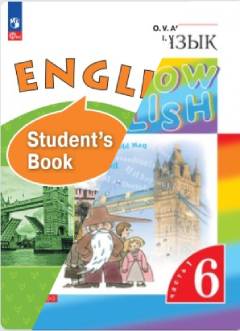
Английский язык 6 класс учебник Афанасьева, Михеева, Баранова 1 часть ответы – страница 88
- Тип: ГДЗ, Решебник.
- Авторы: Афанасьева О. В., Михеева И. В., Баранова К. М.
- Учебники: Rainbow + Students Book
- Часть: 1.
- Год: 2021-2023.
- Серия: Школа России.
- Издательство: Просвещение.


Номер 6.
Read the text and complete the sentences after it. Give the text a name.
Прочтите текст и завершите предложения после него. Дайте тексту название.
Britain is situated on islands. There are seas around these islands and they make the climate in the country very special. People often say that it rains all the time in Britain, but it is not true. London gets no more rain a year than other big cities in Europe. But in the west of Britain it is rainier than in the east.
Winters in Britain are not very cold. It snows but you can’t often see snow in the streets of British cities. In the west the winters are usually warmer than in the east. Summers are not very hot. It is usually sunnier and warmer in the south than in the north. But there can be cold days in July and some fairly warm days in January.
Britain is famous for fogs. Sometimes fogs are very thick and people can’t see anything just in front of them.
English people like to talk about the weather. They often say that Britain doesn’t have a climate, it has weather. It means that the weather is very different — rainy and dry, sunny and windy, cold and hot and all that during one day.
1) Britain is situated on ... .
2) People say that it ... all the time in Britain.
3) The west of Britain is ... than the east in winter.
4) You can’t often see ... in the streets of British cities in winter.
5) Summers in Britain are not ... .
6) Britain is famous for ... .
7) They say Britain doesn’t have a ..., it has ... .
Перевод:
Британия расположена на островах. Вокруг этих островов моря, и они делают климат в стране очень особенным. Люди часто говорят, что в Британии все время идет дождь, но это не так. В Лондоне не бывает дождей в год больше, чем в других крупных городах Европы. Но на западе Британии дождливее, чем на востоке.
Зимы в Британии не очень холодные. Снег идет, но вы не можете часто видеть снег на улицах британских городов. На западе зимы обычно теплее, чем на востоке. Лето не очень жаркое. На юге, как правило, солнечнее и теплее, чем на севере. Но могут быть холодные дни в июле и некоторые довольно теплые дни в январе.
Британия славится туманами. Иногда туманы очень густые, и люди ничего не видят перед собой.
Английские люди любят говорить о погоде. Они часто говорят, что в Британии нет климата, есть погода. Это означает, что погода очень разная — дождливая и сухая, солнечная и ветреная, холодная и жаркая и все это в течение одного дня.
The name of the text is “The Britain Weather”
1) Britain is situated on islands.
2) People say that it rains all the time in Britain.
3) The west of Britain is warmer than the east in winter.
4) You can’t often see snow in the streets of British cities in winter.
5) Summers in Britain are not hot.
6) Britain is famous for its fog.
7) They say Britain doesn’t have a climate, it has weather.
Перевод:
Название текста «Британская погода»
1) Британия расположена на островах.
2) Люди говорят, что в Британии все время идет дождь.
3) Запад Британии зимой теплее, чем на востоке.
4) Зимой на улицах британских городов не часто увидишь снег.
5) Лето в Британии не жаркое.
6) Британия славится своим туманом.
7) Они говорят, что в Британии нет климата, есть погода.
LET US READ AND LEARN
ДАВАЙТЕ ЧИТАТЬ И УЧИТЬСЯ
Номер 13.
a) Read and guess what the underlined words mean.
b) Look these words up to make sure you have guessed right.
а) Прочти и угадай значение подчеркнутых слов.
b) Проверь себя по словарю.
1.
Lowlands are low-lying lands and highlands are lands in the mountains.
2.
A waterfall is a place where a river falls from a high place to a lower place.
3.
At the sea there were a lot of holidaymakers, most of them were families with little children.
4.
I was born in Moscow, so Moscow is my birthplace.
5.
Pirates ['paiǝrǝts] are sailors who attack other ships and steal things from them.
6.
From his position on the hill he could see the city lying far away.
7.
Oxford and Cambridge are the most famous universities in Britain. After school she wants to go to university.
8.
A ruler is a person who rules a country. Who is the real ruler of the country?
Перевод:
1.
Низменности — это низменные земли, а высокогорья — это земли в горах.
2.
Водопад — это место, где река падает с возвышенности на более низкое место.
3.
На море было много отдыхающих, большинство из них были семьями с маленькими детьми.
4.
Я родился в Москве, поэтому Москва — мое место рождения.
5.
Пираты — это моряки, которые нападают на другие корабли и крадут с них вещи.
6.
Со своего места на холме он мог видеть город, раскинувшийся вдали.
7.
Оксфорд и Кембридж — самые известные университеты Великобритании. После школы она хочет поступить в университет.
8.
Правитель — это человек, который управляет страной. Кто является настоящим правителем страны?
Номер 14.
Read the words, look them up and then study the word combina-tions and sentences to know how to use them.
Прочти слова, посмотри их значение в словаре и выучи словосочетания и предложения, чтобы знать, как их использовать.
to admire [əd'maıǝ] (v): to admire the flowers, to admire a person for his or her courage. Did he admire our garden? I don’t admire this singer as much as you do.
scenery ['si:nərı] (n, always singular): beautiful scenery, countryside scenery, to enjoy the scenery. When you speak about the scenery of a place you mean its hills, rivers, forests and so on.
a plain [plein] (n): a grassy plain, the great plains of America, a large plain, in the open plain. A plain is a large area of land with very few trees on it. “The rain in Spain stays mainly in the plain.”
a meadow [ˈmedəʊ] (n): in the meadow, a green meadow, a meadow covered in/with tulips. A meadow is a field which has grass and flowers growing in it. The smell of spring flowers was coming from the meadow. Have you ever seen a meadow in spring?
a valley ['vælı] (n): a low valley, a valley in the mountains, down in the valley, a lily of the valley. What is a valley? It is a long, narrow piece of land between hills, it often has a river running through it. The civilization of Egypt was born in the Nile valley.
a hedge [heʤ] — hedges [heʤız] (n): a green hedge, a high hedge, a low hedge, a hedge round a garden, to be separated by a hedge. Why did you decide to put a hedge around your garden? England looks like one great park with its old trees, green meadows and hedges. A beautiful hedge separated the two fields.
Продолжение номера 14 на следующей странице
С подпиской рекламы не будет
Подключите премиум подписку со скидкой в 40% за 149 ₽





Напишите свой комментарий.