
Английский язык 6 класс учебник Афанасьева, Михеева, Баранова 1 часть ответы – страница 82
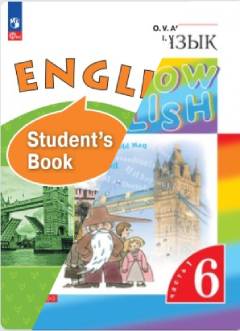
- Тип: ГДЗ, Решебник.
- Авторы: Афанасьева О. В., Михеева И. В., Баранова К. М.
- Учебники: Rainbow + Students Book
- Часть: 1.
- Год: 2021-2023.
- Серия: Школа России.
- Издательство: Просвещение.


Вы уже знаете, что в английских отрицательных предложениях наречия too, as well, also не употребляются. В подобных случаях используется слово either [ˈaɪðə]:
I don’t like rain either. Я тоже не люблю дождь.
We are not going to the shops either. Мы тоже не собираемся за покупками.
(Grammar Reference, p. 149.)
Номер 6.
Use too, as well, also, either to complete the sentences.
Вставь пропущенные too (тоже), as well (тоже), also (тоже), either (тоже), чтобы закончить предложения.
1) I would like to visit the Houses of Parliament ... .
2) We don’t get up early ... .
3) I am ... a pupil.
4) They are not students ... .
5) Trafalgar Square is popular with tourists ... .
6) He didn’t travel about France ... .
7) They are not going to come to my party ... .
8) Do you ... like painting?
9) These hotels are popular with tourists ... .
1) I would like to visit the Houses of Parliament as well / too.
2) We don’t get up early as well / too.
3) I am also a pupil.
4) They are not students either.
5) Trafalgar Square is popular with tourists as well.
6) He didn’t travel about France either.
7) They are not going to come to my party either.
8) Do you also like painting?
9) These hotels are popular with tourists as well / too.
Перевод:
1) Я бы также хотел посетить палаты парламента.
2) Мы тоже не встаем рано.
3) Я тоже ученик.
4) Они тоже не студенты.
5) Трафальгарская площадь также популярна у туристов.
6) Он тоже не путешествовал по Франции.
7) Они тоже не собираются приходить на мою вечеринку.
8) Тебе тоже нравится рисовать?
9) Эти отели также пользуются популярностью у туристов.
Номер 7.
Listen, CD(44), and read the text. Complete the sentences after it.
Послушай Аудио (44) и прочитай текст. Закончи предложения после него.
Parks and Streets of London
London is a green city with a lot of parks in its centre. Hyde Park is one of the largest parks in central London. It is open from 5 a. m. to 12 p. m. Londoners like to take long walks over its grassy territory in fine weather. Hyde Park is famous for its Speaker’s Corner1. It is the place in the park where on Sundays people stand up on boxes or chairs and speak of anything they want.
There are other parks and gardens in the centre of London as well. Some of them are near Buckingham Palace, the London home and office of the British monarch [ˈmɒnək]. When the Queen or the King is in London, they live in Buckingham Palace. The gardens around the palace have a lake where flamingos live.
London streets are different. Some of them are wide and long, some are narrow and short. Some of them are very famous and popular with tourists, for example Downing [ˈdaʊnɪŋ] Street in central London. Here at number 10 the British Prime Minister lives and works. There is usually a policeman outside the front door of Number 10.
Продолжение номера 7 на следующей странице
Olga: Oh... are you sure I’m going to like it? It sounds very unusual.
Alice: Don’t be silly, we’ll play games and dance and laugh a lot. And you know what, when the party is over, we’ll put on white sheets and knock on our neighbours’ doors asking if they would like a “trick” or “treat”.
Olga: Trick or treat? What d’you mean?
Alice (laughing): Nothing dangerous. If they give us a treat — some sweets, nuts or cakes — we’ll say “thank you” and go away. But if they don’t we’ll play a trick on them.
Olga: What? A trick? What shall we do?
Alice: We’ll make a lot of noise and throw flour on their front doorstep!
Olga: Wow!
Alice: But can you help me to get ready for the party?
Olga: Of course I will. What shall I do?
Alice: We’ll cut an ugly face in a pumpkin and put a candle inside. It will shine through the eye holes. Then we’ll take the pumpkin to the party to decorate the hall.
Olga: How interesting! I've never heard about this holiday before. We don’t have it in Russia.
Alice: You just wait! On the 5th of November I’ll take you to see a Guy Fawkes Night.
Olga is astonished because she has never heard of a Halloween party before and Alice tells Olga that these parties are fantastic, explaining that she doesn't know what they look like.
People often have fun by dressing up in unusual costumes and acting as if they are ghosts.
Olga is also unfamiliar with the tradition of “trick or treat” regarding witches.
When children visit their neighbors’ homes requesting treats — such as sweets or nuts, If people don’t give them treats, they typically play a prank on them. Additionally, people.
Carve various grotesque faces into pumpkins and place burning candles within them Olga adores this holiday, especially the decorations featuring these pumpkins.
Перевод:
Ольга удивлена, потому что никогда раньше не слышала о вечеринках на Хэллоуин.
Элис говорит Ольге, что эти вечеринки просто фантастические, объясняя, что она не знает, как они выглядят.
Люди часто развлекаются, наряжаясь в необычные костюмы и ведя себя так, словно они призраки.
Ольга также не знакома с традицией «кошелек или жизнь», касающейся ведьм.
Когда дети приходят в гости к соседям и просят угощения — например, сладости или орехи.
Если люди не дают им угощений, они обычно разыгрывают их. Кроме того, люди часто не знают, что такое ведьмы.
Вырезание из тыкв различные гротескные фигурки и поставьте в них горящие свечи Ольга обожает этот праздник, особенно украшения с изображением этих тыкв.
Номер 7.
Imagine that that very night Olga wrote a letter to her family where she told them what she had learned about Halloween. Name 10 things she had learned about that holiday. Begin with: “Alice told me...”.
Представь, что Ольга в ночи написала письмо своей семье. Назови 10 вещей, которые она узнала о празднике. Начни с: “Alice told me…”
Example: Alice told me she was going to take me to a Halloween party.
Пример: Элис сказала мне, что собирается пригласить меня на вечеринку в честь Хэллоуина.
Alice told me she was going to take me to a Halloween party.
Alice told me that people dress up in strange costumes like ghosts and witches.
Alice told me we would play games and dance a lot at the party.
Alice told me we would knock on our neighbors’ doors for “trick” or “treat.”
Alice told me that if we get treats like sweets or cakes, we will say “thank you.”
Alice told me if we don’t get treats, we might play a trick on them.
Alice told me we would make noise and throw flour on their doorstep if they don’t give us treats!
Alice told me that we would cut an ugly face in a pumpkin and put a candle inside.
Alice told me the candle would shine through the pumpkin's eye holes.
Alice told me that Halloween is a fun celebration that we don’t have in Russia.
Перевод:
Элис сказала мне, что собирается пригласить меня на вечеринку в честь Хэллоуина.
Элис рассказала мне, что люди наряжаются в странные костюмы, как привидения и ведьмы.
Элис сказала мне, что на вечеринке мы будем много играть и танцевать.
Элис сказала мне, что мы будем стучаться в двери наших соседей, чтобы попросить у них «какой-нибудь фокус» или «угощение».
Элис сказала мне, что, если нас угостят конфетами или пирожными, мы скажем «спасибо».
Элис сказала мне, что если мы не получим угощений, то можем подшутить над ними.
Элис сказала мне, что мы поднимем шум и забросаем мукой их порог, если они не угостят нас!
Элис сказала мне, что мы вырежем из тыквы уродливую рожицу и вставим внутрь свечу.
Элис сказала мне, что свеча будет светить сквозь отверстия для глаз в тыкве.
Элис сказала мне, что Хэллоуин — это веселый праздник, которого нет у нас в России.
LET US TALK
ГОВОРЕНИЕ
Номер 8.
Work in pairs. Make up two dialogues: a) about Guy Fawkes Night, b) about Maslenitsa in Russia. One of you is a Russian student, the other comes from Britain.
Поработай в парах. Сочините 2 диалога: а) О ночи Гая Фокса; b) О Масленице в России. Один из вас Русский ученик, другой — Британец.
Dialogue A: About Guy Fawkes Night
Russian Student: Wow! What’s this Guy Fawkes Night all about?
British Student: It’s a celebration that happens on November 5th. We remember Guy Fawkes, who tried to blow up the Houses of Parliament in 1605.
Russian Student: Really? That sounds intriguing! How do you celebrate it?
British Student: We usually have bonfires and fireworks. People also make effigies of Guy Fawkes, which they throw on the fire.
Russian Student: That sounds exciting! Do people do anything special with food?
British Student: Yes! People often eat toffee apples and enjoy hot drinks while watching the fireworks.
Dialogue B: About Maslenitsa
British Student: I’ve heard about Maslenitsa! What is it?
Russian Student: It’s a traditional Russian festival that celebrates the end of winter and the arrival of spring. It usually lasts a week!
British Student: That sounds lovely! How do you celebrate it?
Russian Student: We make lots of pancakes called “blini” and have fun activities like sledding and singing songs.
British Student: Do you have any special customs?
Russian Student: Yes, we visit friends and family, and some people also burn a straw effigy to say goodbye to winter.
Перевод:
Диалог А: О Вечере Гая Фокса
Русский студент: Ого! А что это вообще за вечер Гая Фокса?
Британский студент: Это праздник, который проводится 5 ноября. Мы помним Гая Фокса, который пытался взорвать здание парламента в 1605 году.
Русский студент: Правда? Звучит интригующе! Как вы это празднуете?
Британский студент: Обычно мы устраиваем костры и фейерверки. Люди также делают чучела Гая Фокса, которые бросают в огонь.
Русский студент: Звучит захватывающе! Люди делают что-нибудь особенное с едой?
Британский студент: Да! Люди часто едят яблоки в карамели и наслаждаются горячими напитками, наблюдая за фейерверками.
Диалог В: О Масленице
Британский студент: Я слышал о Масленице! Что это такое?
Русский студент: Это традиционный русский праздник, который празднует окончание зимы и приход весны. Обычно он длится неделю!
Британский студент: Звучит заманчиво! Как вы его отмечаете?
Русский студент: Мы готовим много блинов под названием «блины» и проводим веселые мероприятия, например, катаемся на санках и поем песни.
Британский студент: У вас есть какие-нибудь особые обычаи?
Русский студент: Да, мы навещаем друзей и семью, и некоторые люди также сжигают соломенное чучело, чтобы попрощаться с зимой.
С подпиской рекламы не будет
Подключите премиум подписку со скидкой в 40% за 149 ₽






Напишите свой комментарий.