
Английский язык 6 класс учебник Афанасьева, Михеева, Баранова 2 часть ответы – страница 58
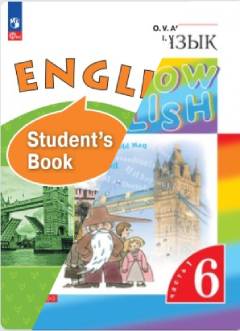
- Тип: ГДЗ, Решебник.
- Авторы: Афанасьева О. В., Михеева И. В., Баранова К. М.
- Учебники: Rainbow + Students Book
- Часть: 2.
- Год: 2021-2023.
- Серия: Школа России.
- Издательство: Просвещение.


Step 2 — Шаг 2
Do it together — Выполните вместе
Номер 1.
Listen, CD (98), and decide what season they like very much.
Послушай Аудио (98) и реши, какой сезон им очень нравится.
a) Summer;
b) Winter;
c) Spring.
Перевод:
a) лето;
b) зима;
c) весна.
Текст аудирования:
1. Hi! My name is Pat, Pat Brodnick. I’m fond of skiing and skating. I like to throw snowballs and to make a snowmen. We have fairly long holidays too which is always nice. I think cold weather is better than hot weather. I enjoy celebrating Christmas and New Year. It’s so beautiful when snowballs fall to the ground.
2. I’m Florence Jennings. I have got a small garden and I’m fond of working in it. My garden is always beautiful but I think it is the best in the season when the temperature is not very hot or very cold when there are many tomatoes, cucumbers, plums and apples. My cucumbers and apples are popular with my family. It is a very colourful season too.
3. I’m Peggy Smith. I was born in the south of the USA and I love hot weather. I’m fond of swimming, lying in the sun on the beach and having no lessons. It’s so wonderful not to be busy and do whatever you like.
Перевод текста аудирования:
1. Привет! Меня зовут Пэт, Пэт Бродник. Я люблю кататься на лыжах и коньках. Я люблю играть в снежки и делать снеговиков. У нас также довольно длинные каникулы, что всегда приятно. Я думаю, что холодная погода лучше, чем жаркая погода. Мне нравится праздновать Рождество и Новый год. Это так прекрасно, когда снежные комья падают на землю.
2. Я Флоренс Дженнингс. У меня есть маленький сад, и я люблю работать в нем. Мой сад всегда прекрасен, но я думаю, что лучший сезон, когда температура не очень высокая или очень холодная, когда много помидоров, огурцов, слив и яблок. Мои огурцы и яблоки нравятся моей семье. Это также очень красочное время года.
3. Я Пегги Смит. Я родилась на юге США, и я люблю жаркую погоду. Я увлекаюсь плаванием, люблю загорать на солнце на пляже и наслаждаться временем без уроков. Так замечательно быть не занятым и делать все, что угодно.
Pat — b) winter
Florence — c) spring
Peggy — a) summer
Перевод:
Пэт — b) зима
Флоренc — c) весна
Пегги — а) лето
Номер 2.
A. Read and say why Pat, Florence and Peggy are fond of the seasons they like. Add what you can.
A. Прочитай и скажи, почему Пэт, Флоренс и Пегги любят сезоны, которые им нравятся. Добавь свои варианты.
Pat:
1) to be fond of winter sports
2) to like low temperatures
3) to like it when snowflakes fall down to the ground
Florence:
1) to dislike cold and hot weather
2) to like different colours in her garden
Peggy:
1) to enjoy having no lessons
2) to like to do whatever you want
Перевод:
Пэт:
1) увлекаться зимними видами спорта
2) любить низкую температуру
3) любить, когда снежинки падают на землю
Флоренс:
1) не любить холодную и жаркую погоду
2) любить разные цвета в своем саду
Пегги:
1) наслаждаться временем без уроков
2) любить делать, что хочешь
Pat likes winter because she is fond of winter sports. She likes low temperatures. She likes it when snowflakes fall down to the ground and loves celebrating Christmas and New Year.
Florence dislikes cold and hot weather. She likes spring because her garden looks the best in this time. She likes different colours in her garden.
Peggy loves summer because she likes swimming and lying in the sun on the beach. She enjoys having no lessons and likes to do whatever you want.
Перевод:
Пэт любит зиму, потому что она любит зимние виды спорта. Она любит низкую температуру. Ей нравится, когда снежинки падают на землю, и она любит праздновать Рождество и Новый год.
Флоренс не любит холодную и жаркую погоду. Она любит весну, потому что ее сад выглядит лучше всего в это время. Она любит разные цвета в своем саду.
Пегги любит лето, потому что она любит плавать и лежать на солнце на пляже. Ей нравится время без уроков, и она любит делать все, что угодно.
B. Say which is your favourite season and why.
В. Скажи, какое твое любимое время года и почему.
I love summer because I like hot temperature, I enjoy swimming and lying in the sun on the beach. I am fond of summer clothes and time without lessons.
Перевод:
Я люблю лето, потому что мне нравится жаркая температура, я люблю плавать и лежать на солнце на пляже. Я люблю летнюю одежду и время без уроков.
Номер 3.
Read the new word combinations.
Прочитай новые словосочетания.
a heavy stone
a heavy bag
a heavy box
heavy rain
heavy snow
frosty weather
a frosty day
a frosty morning
to fall to the ground
to put in the ground
to sit on the ground
to forget their address
to forget her name
to forget your telephone number
five degrees above zero
fifteen degrees above zero
ten degrees below zero
twelve degrees below zero
eight degrees below zero
beautiful snowflakes
white snowflakes
big snowflakes
to win a game
to win a match
to win some money
Перевод:
тяжелый камень
тяжелая сумка
тяжелая коробка
ливень
снегопад
морозная погода
морозный день
морозное утро
упасть на землю
положить в землю
сидеть на земле
забыть их адрес
забыть ее имя
забыть свой номер телефона
пять градусов выше нуля
пятнадцать градусов выше нуля
десять градусов ниже нуля
двенадцать градусов ниже нуля
восемь градусов ниже нуля
красивые снежинки
белые снежинки
большие снежинки
выиграть игру
выиграть матч
выиграть немного денег
agriculture ['ægri,kaltʃǝ] (n, no plural): Agriculture is farming which means growing things and keeping animals. What do you know about agriculture in Britain?
agricultural [ægrr'kʌltʃərəl] (adj): agricultural workers, an agricultural land, an agricultural country, agricultural products. There is a lot of agricultural land in the southeast of England.
to argue ['a:gju:] (v): to argue with somebody about something. Don't argue with your teacher about the things you don't understand. Stop arguing with me, do as I say.
an argument [a:gjʊmənt] (n): a long argument, a strong argument, an argument about something. After a long argument we decided where to go on holiday. There should be no arguments between friends.
to injure ['indʒǝ] (v): to injure people, to injure animals, to injure one's hand (foot, etc.). Jack fell from the tree and injured his back.
to be injured, to be badly injured, to be injured in an accident: Two people were killed and seven were injured when the car hit the bus.
injured: an injured person, an injured animal. The injured man was taken to hospital.
to rescue ['reskju:] (v): to rescue a person, to rescue an animal, to rescue a bird. He jumped into the river and rescued the child who couldn't swim.
rescue (n): to come to someone's rescue, to go to someone's rescue. The child was alone in the burning house but the firemen came to his rescue.
Rescue Service: The Mountain Rescue Service has to go out to help the climbers who need them.
to serve [Sɜːv] (v): to serve in the army. Did he serve in the army for two years? It serves you (her, him) right. It serves her right that she feels sick she has eaten too much.
a service (n): government service, hotel service. The food in the restaurant was good but the service was poor. Has the town got a good bus service?
at one's service: I'm at your service if you need me.
brief [bri:f] (adj): a brief letter, a brief talk, a brief look, a brief holiday, a brief visit. We had a brief holiday last year, we spent only a week in the Crimea.
in brief — in a few words: Tell me the story in brief.
a cathedral [kə'θi:drəl] (n): a beautiful cathedral, to admire the cathedral. What is a cathedral, Mummy? It is a big and important church, dear. What cathedrals do you know in London? The most famous is St. Paul's Cathedral in the City.
fluent ['flu:ǝnt] (adj): to be fluent in English (French, etc.), to speak fluent Russian (Italian, etc). If a person speaks fluent English, he can speak the language easily and correctly.
fluently (adv): The boy could speak two languages fluently.
a stream [stri:m] (n): a stream of water, a narrow stream, a mountain stream, a stream in the valley. A stream is a small river. There were streams of water running down the streets after the rain.
Продолжение номера 13 на следующей странице
С подпиской рекламы не будет
Подключите премиум подписку со скидкой в 40% за 149 ₽






Напишите свой комментарий.