
Английский язык 6 класс учебник Афанасьева, Михеева, Баранова 2 часть ответы – страница 114
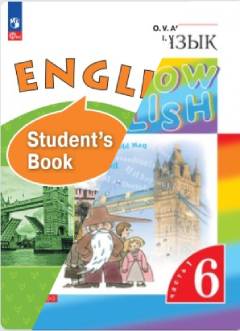
- Тип: ГДЗ, Решебник.
- Авторы: Афанасьева О. В., Михеева И. В., Баранова К. М.
- Учебники: Rainbow + Students Book
- Часть: 2.
- Год: 2021-2023.
- Серия: Школа России.
- Издательство: Просвещение.


3) — I want to come with you.
— Do you? Aren’t you busy today?
4) — They will be on time.
— Will they? They never come on time.
5) — My brother likes singing.
— Does he? Does he sing well?
6) — She must go to the shops every day.
— Must she? Why so often?
7) — They have got two dogs and a cat.
— Have they?
8) — My brother is 18 years old.
— Is he? It’s wonderful to have a big brother.
Перевод:
3) — Я хочу пойти с тобой.
— Правда? Вы не заняты сегодня?
4) — Они будут вовремя.
— Неужели? Они никогда не приходят вовремя.
5) — Мой брат любит петь.
— Правда? Он хорошо поет?
6) — Она должна ходить по магазинам каждый день.
— Неужели? Почему так часто?
7) — У них есть две собаки и кошка.
— Правда?
8) — Моему брату 18 лет.
— Правда? Здорово иметь старшего брата.
We do not change for do, does, did:
• modal verbs (must, can, may)
• forms of the verb “to be”
• in “to have got” in echo question we use “have”-part
• in future tense we use “will”-part
Перевод:
Мы не меняем на do / does — делает, did — сделал:
• модальные глаголы (must, can, may)
• формы глагола «to be»
• в «to have got» в ответе на вопрос мы используем часть «have»
• в будущем времени мы используем часть «will»
B. Work in pairs. Complete the dialogues. Show your interest or surprise.
B. Поработайте в парах. Закончите диалоги. Прояви свой интерес или удивление.
1) — The weather was terrible.
— ...? Did it rain a lot?
2) — It’s not my pen.
— ...? Whose pen is it then?
3) — Jeff hates chocolate.
— ...? It’s very unusual.
4) — We are going to travel a lot.
— ...? Where would you like to go?
5) — She will stay with us at the weekend.
— ...? It’s wonderful!
6) — Yesterday was a very happy day.
— ...? What did you do?
7) — Sue can play tennis well.
— ...? When did she learn to play?
Перевод:
1) — Погода была ужасная.
— ...? Много ли шел дождь?
2) — Это не моя ручка.
— ...? Чья это ручка тогда?
3) — Джефф ненавидит шоколад.
— ...? Это очень необычно.
4) — Мы будем много путешествовать.
— ...? Куда бы ты хотел поехать?
5) — Она останется с нами на выходных.
— ...? Это замечательно!
6) — Вчера был очень счастливый день.
— ...? Что ты сделал?
7) — Сью может хорошо играть в теннис.
— ...? Когда она научилась играть?
1) — The weather was terrible.
— Was it? Did it rain a lot?
2) — It’s not my pen.
— Isn’t it? Whose pen is it then?
3) — Jeff hates chocolate.
— Does he? It’s very unusual.
4) — We are going to travel a lot.
— Are you? Where would you like to go?
5) — She will stay with us at the weekend.
— Will she? It’s wonderful!
6) — Yesterday was a very happy day.
— Was it? What did you do?
7) — Sue can play tennis well.
— Can she? When did she learn to play?
Перевод:
1) — Погода была ужасная.
— Правда? Много ли шел дождь?
2) — Это не моя ручка.
— Правда? Чья это ручка тогда?
3) — Джефф ненавидит шоколад.
— Правда? Это очень необычно.
4) — Мы будем много путешествовать.
— Правда? Куда бы ты хотел поехать?
5) — Она останется с нами на выходных.
— Правда? Это замечательно!
6) — Вчера был очень счастливый день.
— Правда? Что ты сделал?
7) — Сью может хорошо играть в теннис.
— Правда? Когда она научилась играть?
Модальный глагол must и его эквивалент
1. Знакомый тебе глагол must тоже относится к модальным глаголам. Он часто переводится как «должен», «должны» или «обязан», «обязана». Употребляют его, когда хотят отдать приказание / указание, заставить человека сделать что-то или он сам осознаёт необходимость каких-то действий:
You must go there. (приказ)
John mustn’t eat ice cream. He is ill. (указание)
I must go home. It’s late. (осознание необходимости)
2. На вопрос с глаголом must обычно отвечают следующим образом:
Must I wash the dishes? — 1) Yes, you must. / Yes, please.
Продолжение справки на следующей странице
April 30, 1789, before a large crowd Washington promised to “preserve,1 protect and defend the Constitution of the United States”. This is how George Washington became the first president of the country and served two terms. He refused a third term and in 1797 he retired to Mount Vernon where he died two years later.
66. Abraham Lincoln was the 16th president of the USA. Like George Washington, he takes a special place in the list of American presidents.
Abe grew up in the Middle West. His first home was a small, one-room house in the woods. His family were pioneers who helped to fight Indians and push the borders of the United States farther west. The family lived in poverty. His parents moved from Kentucky to Indiana when Abe was 7, and this was his home for14 years. Thomas Lincoln, Abe’s father, hoped to make a better living2 there. Soon the mother died. Abe and his sister were lonely until their father married again. Abe's stepmother encouraged the boy to study. Although he had little chance to go to school, he liked to read. He taught himself by reading the books he could get, such as The Bible, Aesop’s Fables and Robinson Crusoe. He often walked miles to borrow a book.
Abe grew fast. He learned to do the hard work of the pioneer, such as cut trees and take care of the crops.3 He usually won in tests of strength with other boys. Everyone liked him and everyone said he was a born storyteller. But no one could say that this shy young man with a quiet voice would become one of the greatest American presidents.
When Abe Lincoln was twenty-one, the family moved to Illinois [ılı'nǝı]. From then on,4 Abe called Illinois his home. For a while he worked in a store. Later he joined the militia and fought in an Indian War. After the war he walked home with an educated young lawyer. This new friend gave Abe advice to study law.
Abraham Lincoln became a lawyer and a politician. Many people brought their problems to him. They began to call him “honest Abe” and trusted him to do what was right and honest. He was also an excellent speaker. He was elected to the House of Representatives in US Congress. In 1861 he became the 16th American president. In the same year the Civil War began, so Lincoln had to lead the country through the four terrible years of war. He wanted the northern and southern states to stay together and he hated slavery. In 1863 he signed the Emancipation Proclamation5 — the document that made all the slaves free. This was a great event in the history …
1to preserve — сохранять
2to make a better living — начать жить лучше
3crops = harvest
4from then on — с того времени
5Emancipation Proclamation — закон об отмене рабства в США
Продолжение номера 21 на следующей странице
С подпиской рекламы не будет
Подключите премиум подписку со скидкой в 40% за 149 ₽






Напишите свой комментарий.