
Английский язык 6 класс учебник Афанасьева, Михеева, Баранова 1 часть ответы – страница 36
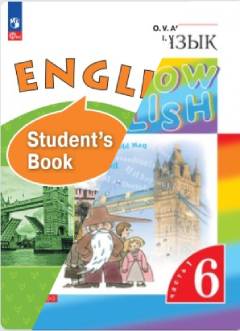
- Тип: ГДЗ, Решебник.
- Авторы: Афанасьева О. В., Михеева И. В., Баранова К. М.
- Учебники: Rainbow + Students Book
- Часть: 1.
- Год: 2021-2023.
- Серия: Школа России.
- Издательство: Просвещение.


When you walk in the streets of Suzdal, you have a feeling that every third building is a church. 7 (Some / Any) of them are wooden. The town has got 8 (a lot of / much) beautiful wooden houses too. They think Suzdal is a living museum of Russian history. The Smirnovs liked their trip very much.
Перевод:
В мае прошлого года Смирновы посетили Суздаль — небольшой городок недалеко от Москвы. Место очень хорошее, вокруг (много / много) лесов. Город чистый и уютный, с (несколькими / несколькими) высокими зданиями. Магазины небольшие, там работают очень (мало / мало) людей. «Здесь (много / много) кинотеатров?» Юра спросил. Его отец сказал, что было (несколько / какие−то). В этом старом городе (много / много) церквей. Когда вы идете по улицам Суздаля, у вас возникает ощущение, что каждое третье здание — это церковь. (Некоторые / Любые) из них деревянные. В городе (много / много) красивых деревянных домов. Они считают, что Суздаль — живой музей русской истории. Смирновым очень понравилось их путешествие.
1 — a lot of
2 — few
3 — little
4 — many
5 — some
6 — a lot of
7 — some
8 — a lot of
B. Work in pairs. Ask and answer questions about Suzdal. Say why people visit this place.
В. Поработайте в парах. Задайте и ответьте на вопросы про Суздаль. Скажи, почему люди посещают это место.
— Are there much forest around Suzdal?
— Yes, there are.
— There aren’t many high buildings there, are there?
— No, there aren’t.
— Are there many cinemas here?
— There are some.
— Has the old town got many churches?
— Yes, it has.
— Are there wooden buildings in Suzdal?
— Yes, there are a lot.
People visit Suzdal because the town is very beautiful, there are a lot of wooden churches and there are no much people there.
Перевод:
— Много ли лесов вокруг Суздаля?
— Да, это так.
— Там не так много высотных зданий?
— Нет, не много.
— Здесь много кинотеатров?
— Есть несколько.
— В старом городе много церквей?
— Да, много.
— Есть ли деревянные здания в Суздале?
— Да, и очень много.
Люди посещают Суздаль, потому что город очень красивый, здесь много деревянных церквей и мало людей.
Номер 4.
A. Read the text and give it a name.
A. Прочитай текст и дай ему название.
Moscow Zoo is one of the largest and oldest zoos in Russia. It appeared in Moscow in 1864 and had 286 animals then. There are more than 6,000 different animals in its rich collection now: elephants and giraffes, polar bears and brown bears, squirrels and foxes, deer and wolves, lions and tigers. At first the zoo’s buildings were wooden. Now animals live in stone buildings when it is cold outdoors.
Moscow Zoo is situated in the centre of the city. When you get there, you are in the animal world. There are two large territories in the zoo with a high bridge between them. In the zoo ponds you can see beautiful water birds. The zoo keepers, workers who look after the animals, feed them, keep them healthy, clean their cages. They know a lot about birds and animals and often answer the visitors’ questions. Moscow Zoo is open in all seasons. Children and their parents enjoy going there. Now there are plans to move Moscow Zoo to a new larger territory.
Перевод:
Московский зоопарк — один из крупнейших и старейших зоопарков в России. Он появился в Москве в 1864году и тогда насчитывал 286 животных. Сейчас в его богатой коллекции более 6000 различных животных: слоны и жирафы, белые и бурые медведи, белки и лисы, олени и волки, львы и тигры. Сначала здания зоопарка были деревянными. Сейчас животные живут в каменных постройках, когда на улице холодно.
Московский зоопарк расположен в центре города. Когда вы попадаете туда, вы попадаете в мир животных. В зоопарке есть две большие территории с высоким мостом между ними. В зоопарках вы можете увидеть красивых водоплавающих птиц. Работники зоопарка, работники, которые ухаживают за животными, кормят их, ухаживают за ними и чистят их клетки. Они много знают о птицах и животных и часто отвечают на вопросы посетителей. Московский зоопарк открыт в любое время года. Дети и их родители любят ходить туда. Теперь есть планы переместить Московский зоопарк на новую территорию, больше прежней по размерам.
The name of the text is “Great History of Moscow Zoo”
Перевод:
Название текста — «Великая история Московского Зоопарка»
Продолжение номера 4 на следующей странице
Номер 17.
Express the same in English.
Напиши то же самое по-английски.
а)
1. Эти новости обсудят после уроков.
2. Окна вымоют в конце месяца.
3. Делегацию встретят завтра.
4. Им скажут о нашем приезде.
5. Фильм посмотрят.
6. Котятам дадут молока.
7. Эти картины купят для городского музея.
8. Этих учеников спросят на следующем уроке.
b)
1. Стадион должен быть построен в этом году.
2. Работа может быть сделана через три дня.
3. Животных необходимо защищать.
4. Эти новые песни должны быть исполнены (спеты) на концерте.
5. Это сражение может быть выиграно.
6. Растения придётся полить.
7. Больного мальчика необходимо навестить.
8. Старые газеты придётся сжечь.
a)
1. These news will be discussed after classes.
2. The windows will be washed at the end of the month.
3. The delegation will be met tomorrow.
4. They will be told about our arrival.
5. The film will be watched.
6. The kittens will be given milk.
7. These paintings will be bought for the city museum.
8. These students will be asked at the next lesson.
b)
1. The stadium must be built this year.
2. The work can be done in three days.
3. Animals need to be protected.
4. These new songs must be performed at the concert.
5. This battle can be won.
6. The plants will have to be watered.
7. The sick boy needs to be visited.
8. The old newspapers will have to be burned.
Номер 18.
a) Read and guess what the underlined words mean.
b) Look these words up to make sure that you have guessed right.
а) Прочти и угадай, что означают подчеркнутые слова.
b) Посмотри их значение в словаре и проверь себя.
1. Tortoises, snakes and crocodiles are reptiles ['reptailz].
2. Savannas [sə'vænǝz] are open grass-covered lands in warm countries.
1. Черепахи, змеи и крокодилы — рептилии.
2. Саванны — это открытые, покрытые травой земли в теплых странах.
Номер 19.
Read the words, look them up and study the word combinations and sentences to know how to use them.
Прочти слова, посмотри их значение в словаре и выучи словосочетания и предложения.
extinct [ık'stıŋkt] (adj): Dodoes are extinct birds. Dinosaurs are extinct animals.
a pigeon [ˈpɪʤɪn] (n): Tourists liked to feed pigeons in Trafalgar Square.
to endanger [ɪnˈdeɪnʤə] (v): to endanger animals, to endanger one’s life. Nowadays tigers have become endangered animals: their number is so small, that they can easily die out.
a species [ˈspiːʃiːz] (pl species) (n): a species of flowers, a species of animals. What species of plants can you see in the Botanical Garden? The Black Tulip is an unusual species of tulips.
an insect ['insekt] (n): an unusual insect. Insects usually have six legs, sometimes even more.
a mammal ['mæməl] (n): Dogs are mammals. Mammals are animals that feed their young with milk.
to destroy [dɪsˈtrɔɪ] (v): to destroy an army, to destroy a town, to destroy hopes. Fires often destroy forests. Mr Fox’s house was destroyed and so he and his family had no place to live.
a habitat ['hæbitæt] (n): a habitat of plants, a habitat of animals. When we speak about a habitat, we mean a place where a certain animal or plant is usually found.
Продолжение номера 19 на следующей странице
С подпиской рекламы не будет
Подключите премиум подписку со скидкой в 40% за 149 ₽






Напишите свой комментарий.