
Английский язык 7 класс учебник Баранова, Дули ответы – страница 53
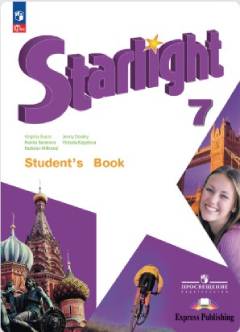
- Тип: ГДЗ, Решебник.
- Авторы: Баранова К. М., Дули Д., Копылова В. В. и др.
- Часть: без частей
- Год: 2026.
- Серия: Звёздный английский.
- Издательство: Просвещение.

b) Read the text again. Four sentences are missing. Match the sentences (A–E) to the gaps (1–4). There is one extra sentence. — Прочитай текст еще раз. Четыре предложения отсутствуют. Сопоставь предложения (A–E) с пробелами (1–4). Есть одно дополнительное предложение.
A The river bounced Blake around and hit his head against the ice.
B When he reached a river, he realised it was too wide for him to swim across without getting hypothermia!
C An oar surfaced in the water near Neil, and he grabbed it.
D «You look awful!» Blake said to Neil when he first saw him, laughing and crying with relief.
E He also took a penknife and made a shelter out of branches.
1 A — The river bounced Blake around and hit his head against the ice. — Река отскочила от Блейка и ударила его головой о лед.
This fits right after the description of being sucked under and swept along by the fast-flowing water. It adds a vivid detail about the physical danger Blake faced during the initial accident. — Это подходит сразу после описания того, как его всасывает и сметает быстро текущая вода. Это добавляет яркую деталь о физической опасности, с которой Блейк столкнулся во время первоначальной аварии.
2 C — An oar surfaced in the water near Neil, and he grabbed it. — весло всплыло в воде возле Нила, и он схватил его.
This logically precedes the sentence where Blake surfaces and sees his father holding onto an oar. It explains how Neil got hold of the oar in the first place. — Это логически предшествует предложению, где Блейк всплывает и видит, как его отец держится за весло. Это объясняет, как Нил в первую очередь завладел веслом.
3 B — When he reached a river, he realised it was too wide for him to swim across without getting hypothermia! — Когда он достиг реки, он понял, что это слишком широко для него, чтобы плавать, не получая переохлаждение!
This explains the «problem» mentioned at the end of the paragraph about Blake leaving his father to get help. It shows why Blake couldn’t just take a direct route to the town. — Это объясняет «проблему», упомянутую в конце абзаца о том, что Блейк оставил своего отца, чтобы получить помощь. Это показывает, почему Блейк не мог просто пойти прямым путем в город.
4 D — «You look awful!» Blake said to Neil when he first saw him, laughing and crying with relief. — «Ты выглядишь ужасно!» Блейк сказал Нилу, когда впервые увидел его, смеясь и плача с облегчением.
This is the natural emotional reaction when Blake is reunited with his father after being rescued. Neil’s reply, «You don’t look so great yourself,» directly responds to this comment. — Это естественная эмоциональная реакция, когда Блейк воссоединяется со своим отцом после спасения. Ответ Нила: «Ты сам не выглядишь так здорово», прямо отвечает на этот комментарий.
Упражнение 3.
Match the words in bold to their synonyms: physical energy, in the sky, walked towards, arose, answered, started, frighten, shortage, collected him. — Сопоставь слова, выделенные жирным, с их синонимами: physical energy, in the sky, walked towards, arose, answered, started, frighten, shortage, collected him.
Ответ:
set off → started — отправились в путь → начали;
surfaced → arose — вынырнули → возникли;
made their way → walked towards — пробились → направились навстречу;
scare off → frighten — отпугнуть → напугать;
strength → physical energy — сила → физическая энергия;
lack → shortage — недостаток → нехватка;
overhead → in the sky — над головой → в небе;
picked him up → collected him — подобрали его → собрали его.
Упражнение 4.
Choose the correct word. — Выбери правильное слово.
1 Their boat cracked / crashed into the river bank.
2 To their horror / alarm the boat started to sink slowly.
3 He moved / crawled on his hands and knees towards the tent.
4 The storm sucked / drew their boat under the water.
5 They missed / lost their compass and didn't know which way to go.
6 Six days later the rescue team spotted / noticed them on an isolated island.
1 Their boat crashed into the river bank. — Их лодка врезалась в берег реки.
(«Crashed» implies a violent collision, which fits the context better than «cracked».) — («Crashed» подразумевает насильственное столкновение, которое лучше соответствует контексту, чем «cracked».)
2 To their horror the boat started to sink slowly. — к их ужасу лодка начала медленно тонуть.
(«Horror» conveys a stronger emotional reaction, matching the dramatic tone.) — («Ужас» передает более сильную эмоциональную реакцию, соответствующую драматическому тону.)
3 He crawled on his hands and knees towards the tent. — он ползал на руках и коленях к палатке.
(«Crawled» specifically describes moving on hands and knees.) — («Ползучий» конкретно описывает движение на руках и коленях.)
4 The storm sucked their boat under the water. — буря засосала их лодку под воду.
(«Sucked» suggests being pulled forcefully, which is more vivid for a storm’s action.) — («Отсос» предполагает силовое вытягивание, что более ярко для действия шторма.)
5 They lost their compass and didn’t know which way to go. — они потеряли свой компас и не знали, куда идти.
(«Lost» means they can’t find it; «missed» refers to failing to catch something or feeling nostalgia.) — («Потерянный» означает, что они не могут его найти; «пропущенный» означает неспособность что-то поймать или чувствовать ностальгию.)
6 Six days later the rescue team spotted them on an isolated island. — через шесть дней спасательная команда заметила их на изолированном острове.
(«Spotted» means to notice suddenly, often from a distance — ideal for a rescue scenario.) — («Пятнистый» означает замечать внезапно, часто на расстоянии — идеально подходит для сценария спасения.)
Grammar — Грамматика
Conditional types 2 & 3 – Wishes — Условные предложения типы 2 и 3 — пожелания
Упражнение 5.
Read the examples. How do we form conditional types 2 and 3, wishes? Find examples in the text. — Прочти примеры. Как мы формируем условные типы 2 и 3, пожелания? Найди примеры в тексте.
If you wore some warmer clothes, you wouldn’t be cold. If I were you, I’d take a first aid kit on your camping trip. (Type 2)
If we had heard the weather forecast, we wouldn’t have gone on the trip. (but we did) (Type 3)
I wish / If only it wasn’t that cold. (but it is - wish for the present)
I wish / If only I hadn’t left my umbrella at home. (but I did — regret about the past)
Formation: — Как образуются:
Conditional Type 2 (unreal present / future): — условные предложения 2 типа (нереальное настоящее / будущее):
If + Past Simple, ... would + infinitive — Если + Past Simple,... будет + инфинитив
Used for hypothetical or unlikely situations in the present / future. — Используется для гипотетических или маловероятных ситуаций в настоящем / будущем.
Example from text (implied): If you wore warmer clothes, you wouldn’t be cold. — Пример из текста (подразумевается): Если бы вы носили более теплую одежду, вам не было бы холодно.
Conditional Type 3 (unreal past): — условные предложения 3 типа (нереальное прошлое):
If + Past Perfect, ... would have + past participle — Если + Past Perfect,... будет иметь + прошлое причастие
Used to talk about unreal past situations and their hypothetical results. — Используется для обсуждения нереальных прошлых ситуаций и их гипотетических результатов.
Example from text: If we had heard the weather forecast, we wouldn’t have gone on the trip. — Пример из текста: Если бы мы услышали прогноз погоды, мы бы не отправились в путешествие.
Wishes / If only: — Пожелания / Если только:
For present regrets: I wish / If only + Past Simple — Для нынешних сожалений: Я хочу / Если только + Прошлое Просто
Example: I wish it wasn’t that cold. — Пример: Хотелось бы, чтобы не было так холодно.
For past regrets: I wish / If only + Past Perfect — Для прошлых сожалений: Хочу / Если только + Past Perfect
Example: I wish I hadn’t left my umbrella at home. — Пример: Жаль, что я не оставил зонтик дома.
Упражнение 6.
Put the verbs in brackets into the correct tenses. What types of conditional sentences are they? — Поставь глаголы в скобках в правильные времена. Какой тип условных предложений?
1 If Neil ... (not grab) the oar, he probably wouldn’t have survived.
2 If you ... (do) more exercise, you would feel better.
3 If the river ... (be) narrower, Blake would have been able to cross it.
4 If it stopped raining, we ... (go) for a walk.
5 If I were you, I ... (not / go) out in such bad weather.
6 If Neil and Blake hadn’t slept by a fire, they ... (die) of cold.
1 If Neil hadn’t grabbed the oar, he probably wouldn’t have survived. — Если бы Нил не схватил весло, он, вероятно, не выжил бы.
(Type 3: past unreal condition; result in the past.) — (Тип 3: прошлое нереальное условие; результат в прошлом.)
2 If you did more exercise, you would feel better. — если вы сделали больше упражнений, вы будете чувствовать себя лучше.
(Type 2: present unreal condition; hypothetical advice.) — (Тип 2: настоящее нереальное состояние; гипотетический совет.)
3 If the river were narrower, Blake would have been able to cross it. — Если бы река была уже, Блейк смог бы пересечь ее.
(Mixed conditional: present condition with past result; note «were» for hypothetical.) — (Смешанное тип: текущее состояние с прошлым результатом; примечание «были» для гипотетического.)
4 If it stopped raining, we would go for a walk. — Если дождь прекратится, мы пойдем гулять.
(Type 2: future unreal possibility; hypothetical plan.) — (Тип 2: будущая нереальная возможность; гипотетический план.)
5 If I were you, I wouldn’t go out in such bad weather. — на вашем месте, я бы не выходил в такую плохую погоду.
(Type 2: advice; common structure «If I were you…») — (Тип 2: совет; общая структура «Если бы я был тобой»...)
6 If Neil and Blake hadn’t slept by a fire, they would have died of cold. — если бы Нил и Блейк не спали у костра, они бы умерли от холода.
(Type 3: past unreal condition; past hypothetical result.) — (Тип 3: прошлое нереальное условие; прошлый гипотетический результат.)
Упражнение 7.
a) Write what each person wishes for / regrets. — Напиши, о чем каждый человек желает / сожалеет.
1 Jane didn’t visit Tom in hospital because she didn’t know he was there.
I wish / If only I had known Tom was in hospital.
2 She didn’t bring her coat and now she’s cold.
3 Matt went hiking in the rain and got ill.
4 We don’t have a lighter to light a fire.
5 She ate too much and she’s got stomachache.
6 Sally is working this weekend, but she’d like to go camping with her friends.
1 Jane didn’t visit Tom in hospital because she didn’t know he was there. — I wish / If only I had known Tom was in hospital. (given) — Джейн не навещала Тома в больнице, потому что не знала, что он там. — Я бы хотел / Если бы я только знал, что Том был в больнице. (дано)
2 She didn’t bring her coat and now she’s cold. — I wish / If only I had brought my coat. — Она не принесла пальто, и теперь ей холодно. — Я бы хотела / Если бы я только принес свое пальто.
3 Matt went hiking in the rain and got ill. — I wish / If only I hadn’t gone hiking in the rain. — Мэтт отправился в поход под дождем и заболел. — Я бы хотел / Если бы я только не ходил в походы под дождем.
4 We don’t have a lighter to light a fire. — I wish we had a lighter to light a fire. — У нас нет зажигалки, чтобы зажечь огонь. — Я бы хотел, чтобы у нас была зажигалка, чтобы зажечь огонь.
5 She ate too much and she’s got stomachache. — I wish / If only I hadn’t eaten so much. — Она слишком много ела и у нее болит живот. — Я желаю / Если бы только я не ела так много.
6 Sally is working this weekend, but she’d like to go camping with her friends. — I wish I wasn’t working this weekend. — Салли работает в эти выходные, но она хотела бы пойти в поход со своими друзьями. — Я бы хотел / Если бы я не работала в эти выходные.
b) Write two things you wish for the present and regret about the past. — Напиши две вещи, которые ты хочешь на настоящее время и сожалеешь в прошлом.
Ответ:
I wish I had more free time. (wish for the present) — Хотел бы я иметь больше свободного времени. (желание на настоящее время)
I wish I hadn’t forgotten to charge my phone last night. (regret about the past) — Жаль, что я не забыл зарядить телефон прошлой ночью. (сожаление о прошлом)
Speaking & Writing — Говорение и письмо
Упражнение 8.
Listen to and read the text again. Complete the sentences. Use the sentences to tell your partner a summary of the story. — Прослушай и прочитай текст еще раз. Закончи предложения. Используй предложения, чтобы рассказать своему партнеру краткое изложение истории.
1 Blake and his father went rafting ... .
2 They left on ... .
3 Unfortunately their raft ... .
4 The two men fell ... .
5 Blake helped his dad out of the river and ... .
6 Neil was suffering from ... .
7 Blake left his dad alone to ... .
8 Blake lit a signal fire which helped ... .
1 Blake and his father went rafting in Alaska for his father’s birthday surprise. — Блейк и его отец отправились на рафтинг на Аляске на сюрприз ко дню рождения своего отца.
2 They left on a beautiful warm day in June 2003, down the Koyukuk River. — они уехали в прекрасный теплый день в июне 2003 года, вниз по реке Коюкук.
3 Unfortunately their raft crashed into a huge wall of ice. — к сожалению, их плот врезался в огромную стену льда.
4 The two men fell into the freezing cold, fast-flowing water. — два человека упали в замерзающую холодную, быстро текущую воду.
5 Blake helped his dad out of the river and quickly lit a fire to warm him up. — Блейк помог отцу выбраться из реки и быстро зажег огонь, чтобы разогреть его.
6 Neil was suffering from hypothermia. — Нил страдал от переохлаждения.
7 Blake left his dad alone to get help from a town 104 km away. — Блейк оставил отца одного, чтобы получить помощь из города в 104 км.
8 Blake lit a signal fire which helped a pilot spot him from overhead, leading to their rescue by helicopter. — Блейк зажег сигнальный огонь, который помог пилоту обнаружить его над головой, что привело к их спасению на вертолете.
Упражнение 9.
Think! Imagine you were Neil waiting for Blake to come back. In three minutes write a few sentences. Tell your partner or the class. — Подумай! Представь, что ты Нил и ждал возвращения Блейка. За три минуты напиши несколько предложений. Расскажи своему партнеру или классу.
Ответ:«I’m sitting by the dying fire, trying to keep it alight. Every minute feels like an hour. I worry about Blake — is he okay? Did he get lost? Did he run into bears? I keep feeding the fire with wet branches, praying he’ll come back soon. I try to stay positive — he’s smart, he’ll find help. But the cold and hunger are getting worse. I just have to hold on a little longer. Please, Blake, come back safe.» — «Я сижу у умирающего огня, пытаясь зажечь его. Каждая минута кажется часом. Я беспокоюсь о Блейке — он в порядке? Он заблудился? Он столкнулся с медведями? Я продолжаю кормить огонь мокрыми ветками, молясь, чтобы он скоро вернулся. Я стараюсь оставаться позитивным — он умный, он найдет помощь. Но холод и голод становятся все хуже. Мне просто нужно немного задержаться. Пожалуйста, Блейк, вернись в целости и сохранности.
С подпиской рекламы не будет
Подключите премиум подписку со скидкой в 40% за 149 ₽






Напишите свой комментарий.