
Английский язык 5 класс учебник Афанасьева, Михеева 2 часть ответы – страница 36
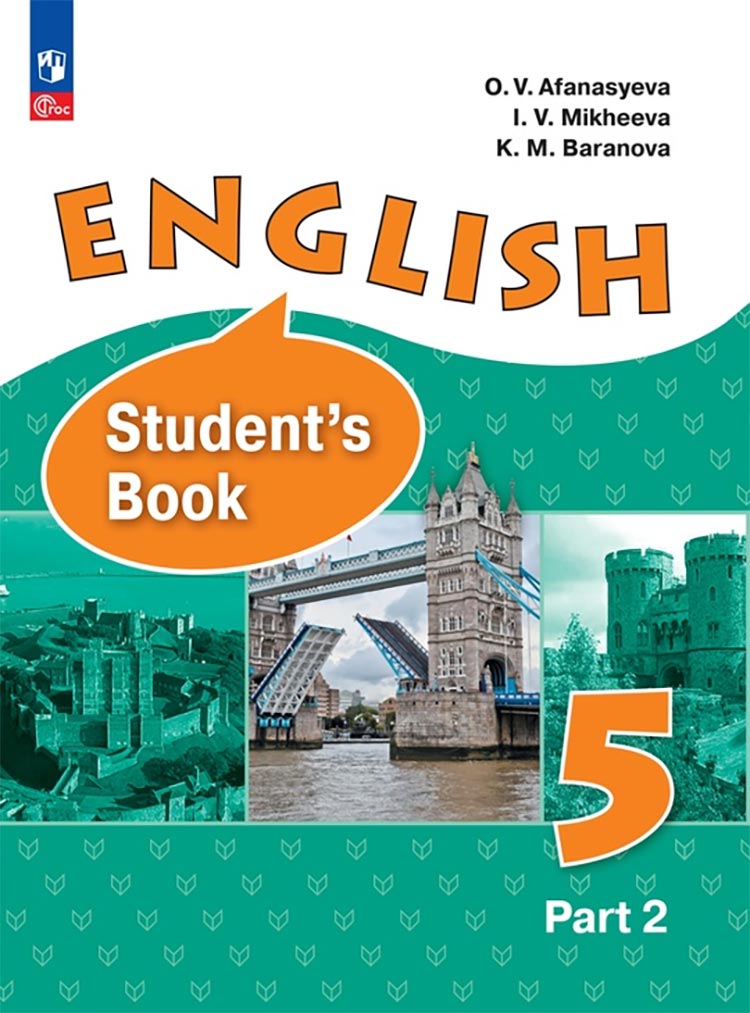
- Тип: ГДЗ, Решебник.
- Авторы: Афанасьева О. В., Михеева И. В., Баранова К. М.
- Часть: 2.
- Год: 2023.
- Серия: Школа России (ФГОС).
- Издательство: Просвещение.

4) You shouldn’t be surprised at his behaviour.
5) She certainly shouldn’t come back home late.
6) They shouldn’t discuss such things when people are present.
7) She ought to try a little harder.
8) You ought to tell the truth.
9) She ought not to speak about it at all.
1) I think you should read some book on the history of the country. — Я думаю, тебе стоит почитать какую-нибудь книгу по истории страны.
2) Everybody who learns English should know some facts about the British history and culture. — Каждый, кто изучает английский, должен знать некоторые факты об истории и культуре Великобритании.
3) The children should spend more time outdoors. It will do them a lot of good. — Детям следует больше времени проводить на свежем воздухе, это пойдет им на пользу.
4) You shouldn’t be surprised at his behaviour. — Тебе не стоит удивляться его поведению.
5) She certainly shouldn’t come back home late. — Ей, конечно, не следует возвращаться домой поздно.
6) They shouldn’t discuss such things when people are present. — Они не должны обсуждать такие вещи в присутствии посторонних.
7) She ought to try a little harder. — Ей следует стараться немного усерднее.
8) You ought to tell the truth. — Тебе следует сказать правду.
9) She ought not to speak about it at all. — Ей не стоит вообще об этом говорить.
Номер 17.
Read the sentences and say how questions with the modal verbs should and ought (to) are formed. Answer the questions. — Прочти предложения и скажи как вопросы с модальными глаголами should, ought to образуются. Ответь на вопросы.
1) Should we go there tomorrow? — Yes, you should.
2) Should Victor buy fruit and vegetables? — No, he shouldn’t.
3) Should pupils sit quietly when they have lessons?
4) Should you say thank you when people help you?
5) Should children help their parents about the house?
6) Should primary pupils go to school alone, if they live far away from it?
7) Ought I to tell my parents?
8) Ought we to tell the truth to our friends?
Should + subject + base form of the verb?
Ought + subject + (to) + base form of the verb?
1) Should we go there tomorrow? — Yes, you should.
2) Should Victor buy fruit and vegetables? — No, he shouldn't.
3) Should pupils sit quietly when they have lessons? — Yes, pupils should.
4) Should you say thank you when people help you? — Yes, you should.
5) Should children help their parents about the house? — Yes, children should.
6) Should primary pupils go to school alone, if they live far away from it? — No, primary pupils should not go to school alone.
7) Ought I to tell my parents? — Yes, you ought to tell your parents.
8) Ought we to tell the truth to our friends? — Yes, we ought to tell the truth to our friends.
Перевод:
1) Стоит ли нам пойти туда завтра? — Да, стоит.
2) Должен ли Виктор купить фрукты и овощи? — Нет, он не должен.
3) Должны ли ученики сидеть тихо во время уроков? — Да, ученики должны.
4) Должны ли вы говорить спасибо, когда вам помогают? — Да, должны.
5) Должны ли дети помогать своим родителям по дому? — Да, дети должны.
6) Должны ли ученики начальных классов ходить в школу одни, если они живут далеко от нее? — Нет, ученики начальных классов не должны ходить в школу в одиночку.
7) Должен ли я рассказать своим родителям? — Да, ты должен рассказать своим родителям.
8) Должны ли мы говорить правду своим друзьям? — Да, мы должны говорить правду своим друзьям.
USEFUL TO REMEMBER — ВАЖНО ПОМНИТЬ
Learn to turn orders and requests into reported speech.
+
Nick: “Help me, please”. — Nick asks to help him.
Sarah and Sue: “Phone your aunt”. — Sarah asks Sue to phone her aunt.
Anna to the children: “Be on time, please.” — Anna asks the children to be on time.
−
Joyce to her brother: “Don’t be late.” → Joyce asks her brother not to be late.
Richard to Sue: “Don’t forget about our trip.” → Richard asks Sue not to forget about their trip.
Mike to us: “Don’t come before eleven.” → Mike tells us not to come before eleven.
Перевод:
Научись превращать приказы и просьбы в косвенную речь.
+
Ник: «Помоги мне, пожалуйста». — Ник просит помочь ему.
Сара и Сью: «Позвони своей тете». — Сара просит Сью позвонить своей тете.
Анна — детям: «Пожалуйста, приходите вовремя». — Анна просит детей приходить вовремя.
−
Джойс — брату: «Не опаздывай». — Джойс просит брата не опаздывать.
Ричард — Сью: «Не забудь о нашей поездке». — Ричард просит Сью не забывать об их поездке.
Майк нам: «Не приходите раньше одиннадцати». — Майк просит нас не приходить раньше одиннадцати.
С подпиской рекламы не будет
Подключите премиум подписку со скидкой в 40% за 149 ₽






Напишите свой комментарий.