
Английский язык 5 класс учебник Афанасьева, Михеева 2 часть ответы – страница 107
- Тип: ГДЗ, Решебник.
- Авторы: Афанасьева О. В., Михеева И. В., Баранова К. М.
- Часть: 2.
- Год: 2023.
- Серия: Школа России (ФГОС).
- Издательство: Просвещение.

fall (fell, fallen): to fall down, to fall to the ground or floor. The apple fell from the tree on Newton’s head. In autumn leaves of many trees fall to the ground.
health: people’s health, to be in good health. I hope your grandmother is in good health. The man was in poor health. Fruit and vegetables are good for our health.
hurt (hurt, hurt): to hurt one’s arm, to be badly hurt. Does your tooth still hurt? Jack fell down and hurt his shoulder. I am hurt by my friend’s unkind words.
immediately: to do something immediately. Mother answered the phone immediately. I did not immediately understand how serious the problem was.
nod: a quick nod, to give a nod. She gave me a nod but didn’t say anything.
nod: to nod one’s head, to nod to somebody. I asked him if he agreed, and he nodded. Ben nodded to his neighbour.
pain: a pain in the chest, a bad or strong pain, to be in pain. He says he has pains in his side. Do you still have pain in your stomach? She is not in pain anymore.
silly: silly words, a silly question, to look silly. Don’t be so silly. The poem sounds silly to me. It’s a silly game; I don’t want to play it.
sick: a sick child, to be sick. The doctor says that my brother is very sick. Is the sick man in hospital now?
touch: to touch something, to be touched. Their hands touched. Jane didn’t touch her food. I was really touched by the film.
worry: to worry somebody, to be worried about something. Sam’s poor health worries me. Parents are usually worried about their children’s education. Don’t worry — he’ll soon come back.
blood pressure: Blood pressure that is very high or very low can be dangerous to you.
to fall ill: When did Colin fall ill?
to fall in love with somebody: They fell in love many, many years ago.
b) break (broke, broken): to break a window, to break an arm, to break law, to break into laughter. Be careful not to break the mirror. The fridge has broken down, what shall we do? Ben broke his leg during yesterday's football match. Never break your promises. Robert listened to my words and broke into laughter.
excite: to excite somebody, to excite interest or curiosity. The news excited everybody in my class. The doctor told us not to excite the sick boy. The film excited my interest in old traditions.
fall (fell, fallen): to fall down, to fall to the ground or floor. The apple fell from the tree on Newton’s head. In autumn leaves of many trees fall to the ground.
health: people's health, to be in good health. I hope your grandmother is in good health. The man was in poor health. Fruit and vegetables are good for our health.
hurt (hurt, hurt): to hurt one's arm, to be badly hurt. Does your tooth still hurt? Jack fell down and hurt his shoulder. I am hurt by my friend’s unkind words.
immediately: to do something immediately. Mother answered the phone immediately. I did not immediately understand how serious the problem was.
nod: a quick nod, to give a nod. She gave me a nod but didn’t say anything.
nod: to nod one’s head, to nod to somebody. I asked him if he agreed, and he nodded. Ben nodded to his neighbour.
pain: a pain in the chest, a bad or strong pain, to be in pain. He says he has pains in his side. Do you still have pain in your stomach? She is not in pain anymore.
silly: silly words, a silly question, to look silly. Don’t be so silly. The poem sounds silly to me. It’s a silly game; I don’t want to play it.
sick: a sick child, to be sick. The doctor says that my brother is very sick. Is the sick man in hospital now?
touch: to touch something, to be touched. Their hands touched. Jane didn’t touch her food. I was really touched by the film.
worry: to worry somebody, to be worried about something. Sam’s poor health worries me. Parents are usually worried about their children’s education. Don’t worry — he’ll soon come back.
blood pressure: Blood pressure that is very high or very low can be dangerous to you.
to fall ill: When did Colin fall ill?
to fall in love with somebody: They fell in love many, many years ago.
Перевод:
b) ломать / нарушать (сломал — сломал / нарушил — нарушил): разбить окно, сломать руку, нарушить закон, разразиться смехом. Будьте осторожны, не разбейте зеркало. Сломался холодильник, что нам делать? Бен сломал ногу во время вчерашнего футбольного матча. Никогда не нарушай своих обещаний. Роберт выслушал мои слова и расхохотался.
возбуждать: возбуждать кого-либо, вызывать интерес или любознательность. Новость взволновала всех в моем классе. Доктор сказал нам не волновать больного мальчика. Фильм пробудил во мне интерес к старым традициям.
падать (упал — упал): падать вниз, падать на землю или пол. Яблоко упало с дерева на голову Ньютону. Осенью листья многих деревьев падают на землю.
здоровье: здоровье людей, быть в добром здравии. Я надеюсь, что ваша бабушка в добром здравии. У мужчины было слабое здоровье. Фрукты и овощи полезны для нашего здоровья.
причинять боль (болеть): ушибать руку, испытывать сильную боль. Твой зуб все еще болит? Джек упал и повредил плечо. Меня задели недобрые слова моего друга.
немедленно: чтобы немедленно что-то предпринять. Мама сразу же взяла трубку. Я не сразу понял, насколько серьезной была проблема.
кивок: быстрый кивок, чтобы кивнуть. Она кивнула мне, но ничего не сказала.
кивать: кивать головой, кивать кому-то. Я спросил его, согласен ли он, и он кивнул. Бен кивнул своему соседу.
боль: боль в груди, сильная боль, испытывать боль. Он говорит, что у него болит бок. У вас все еще болит живот? У нее больше ничего не болит.
глупый: глупые слова, глупый вопрос, выглядеть глупо. Не будь таким глупым. Стихотворение кажется мне глупым. Это глупая игра, я не хочу в нее играть.
больной: больной ребенок, быть больным. Доктор говорит, что мой брат очень болен. Больной сейчас в больнице?
прикосновение: прикасаться к чему-либо, чтобы к нему прикасались. Их руки соприкоснулись. Джейн не притронулась к еде. Я был по-настоящему тронут фильмом.
беспокоиться: беспокоить кого-то, беспокоиться о чем-то. Меня беспокоит слабое здоровье Сэма. Родители обычно беспокоятся об образовании своих детей. Не волнуйтесь, он скоро вернется.
кровяное давление: очень высокое или очень низкое кровяное давление может быть опасным для вас.
заболеть: Когда заболел Колин?
влюбиться в кого-то: Они полюбили друг друга много-много лет назад.
Номер 11.
You know the words in column A. Read the sentences 1–7 and say what the words in column B mean. — Ты знаешь слова из столбца А. Прочти предложения 1–7 и скажи, что означают слова в столбце В.
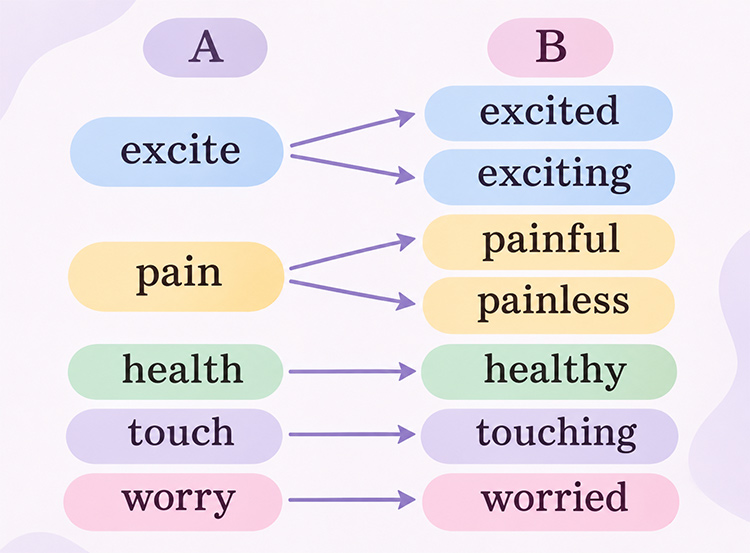
Продолжение номера 11 на следующей странице
С подпиской рекламы не будет
Подключите премиум подписку со скидкой в 40% за 149 ₽






Напишите свой комментарий.